After investigating bodies of water and how they influence ecosystems and cities (discover Bodies of Water 2025↗), the 2026 edition of Bodies of Water focuses on’aridity.
Working on the concept of the “arid line”, understood as both a climatic and cultural threshold, the programme analysed how heatwaves, seasonal droughts and processes of desertification are redefining Mediterranean territories and daily practices.
The activities were divided in a series of online lectures followed by an in-person workshop held in Catania from 13 to 17 April 2026.
Bodies of Water 2: Designing Across the Aridity Line It is a Blended Intensive Program (BIP) funded by the Erasmus+ Programme, curated by Giulia Colletti and carried out in partnership with SWPS – School of Form (Warsaw, Poland), ESAD Matosinhos (Portugal), ESADA Granada (Spain) and THWS Technische Hochschule Würzburg-Schweinfurt (Germany).

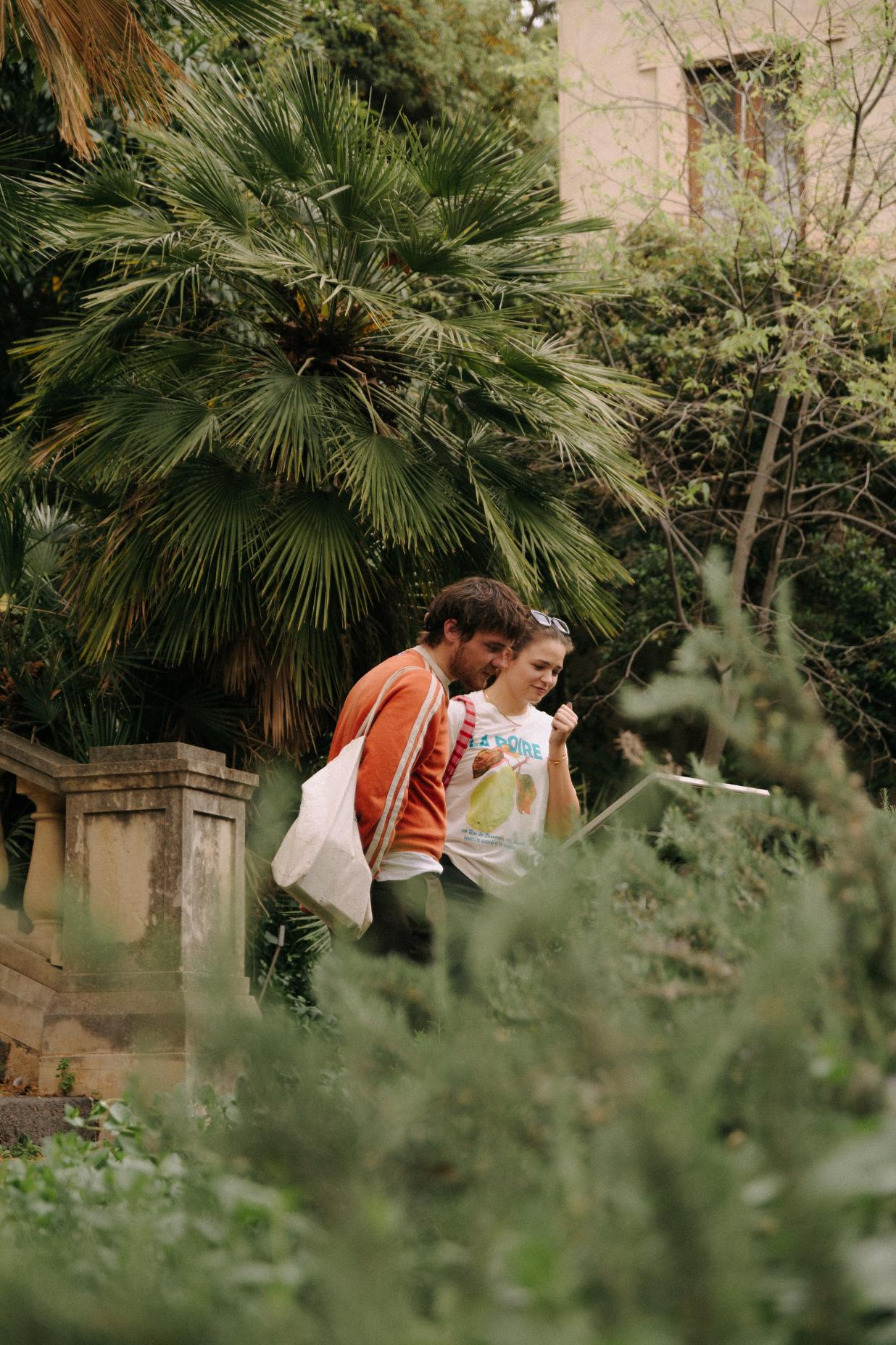
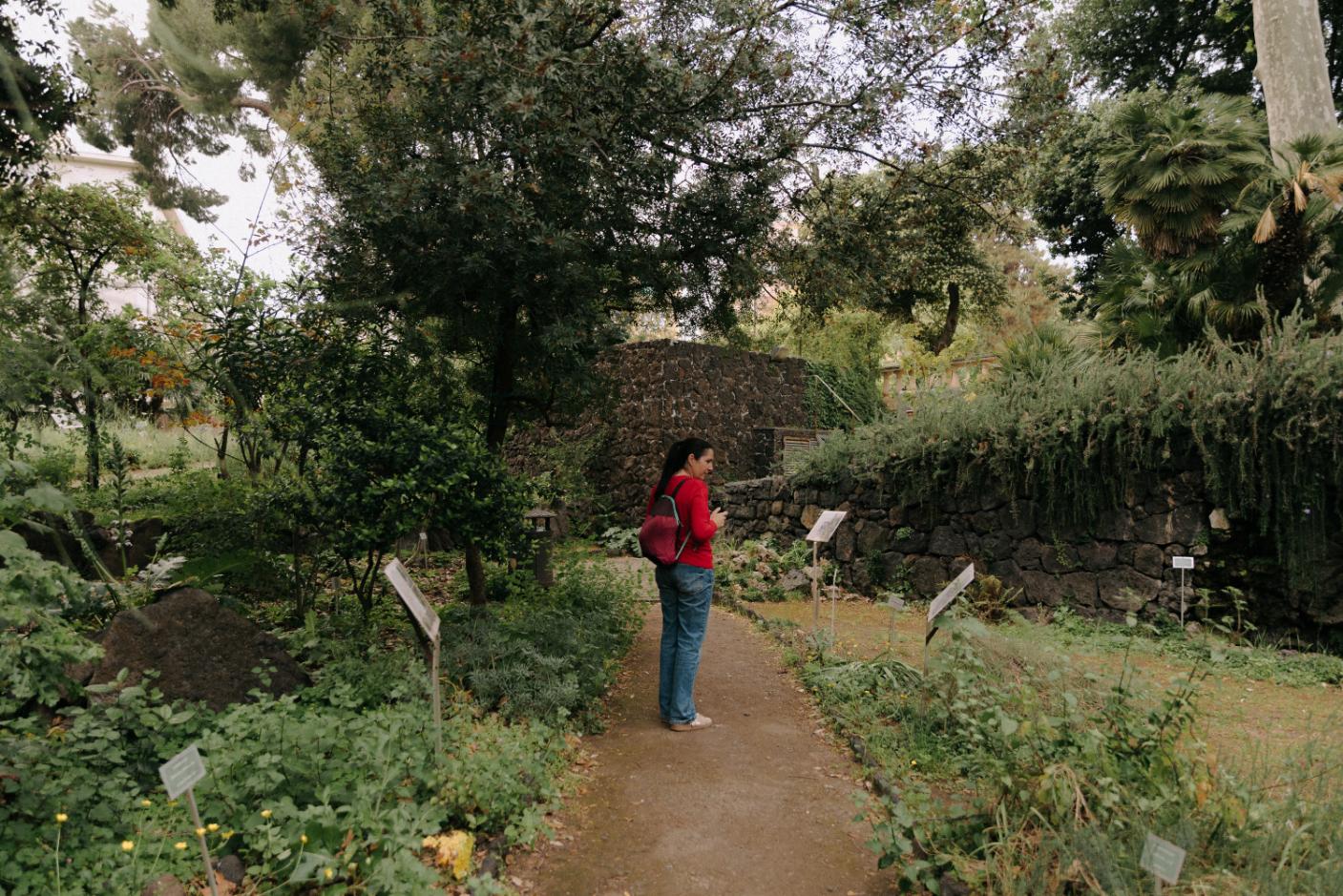
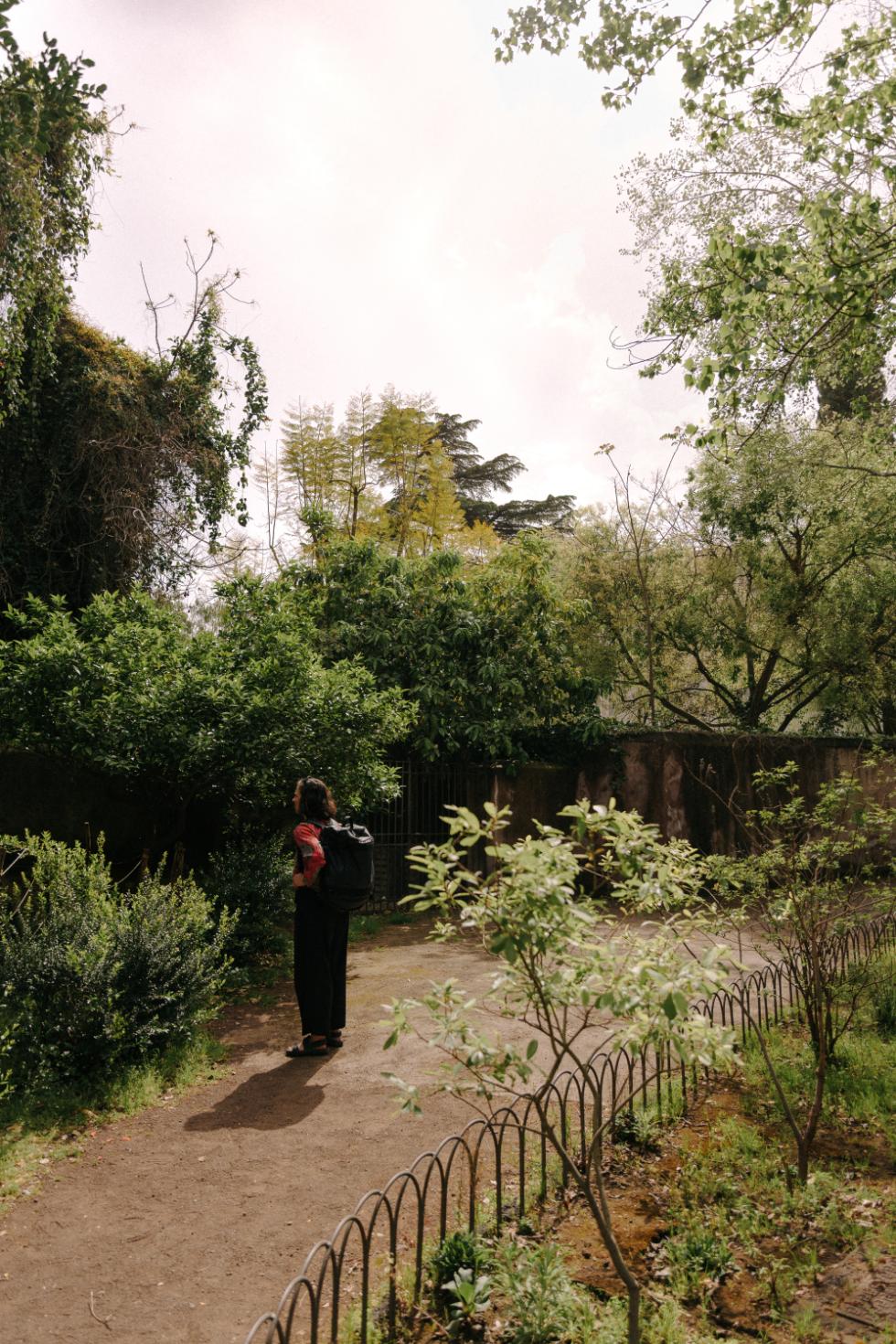
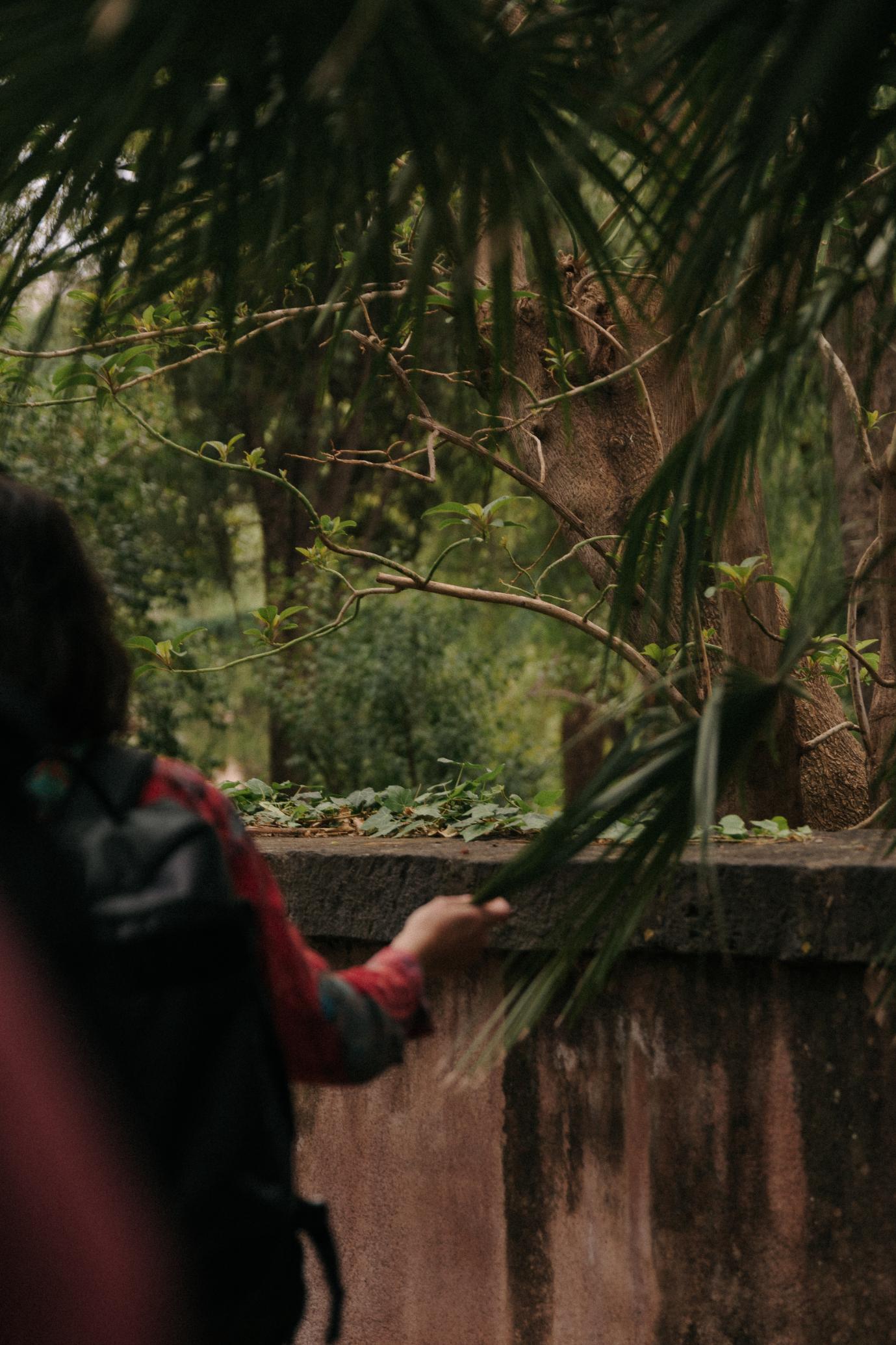


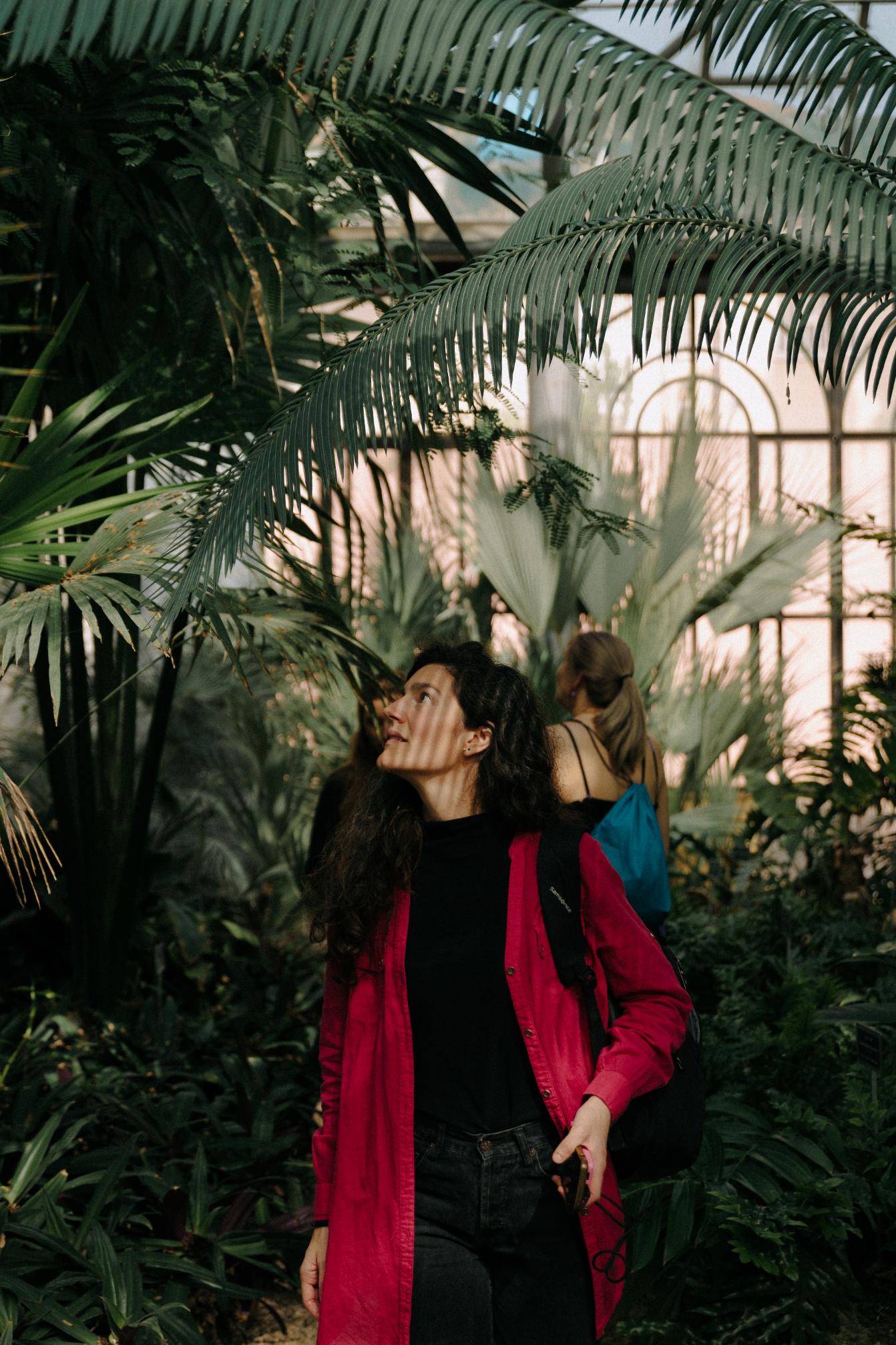


Starting from a series of site visits led by the agronomist Simona Battagliola and the architect Alba Balmaseda, the participants explored the Botanical Garden and the historic centre of Catania, reinterpreting them through exposure to heat, soil permeability, the more or less visible presence of water and microclimatic variations.
The multisensory analysis of the area, through direct observation, listening to ambient sounds and contact with surfaces, made it possible to map where water has been retained or where it has left traces, and how plants have adapted to the progressive drying out of the soil.


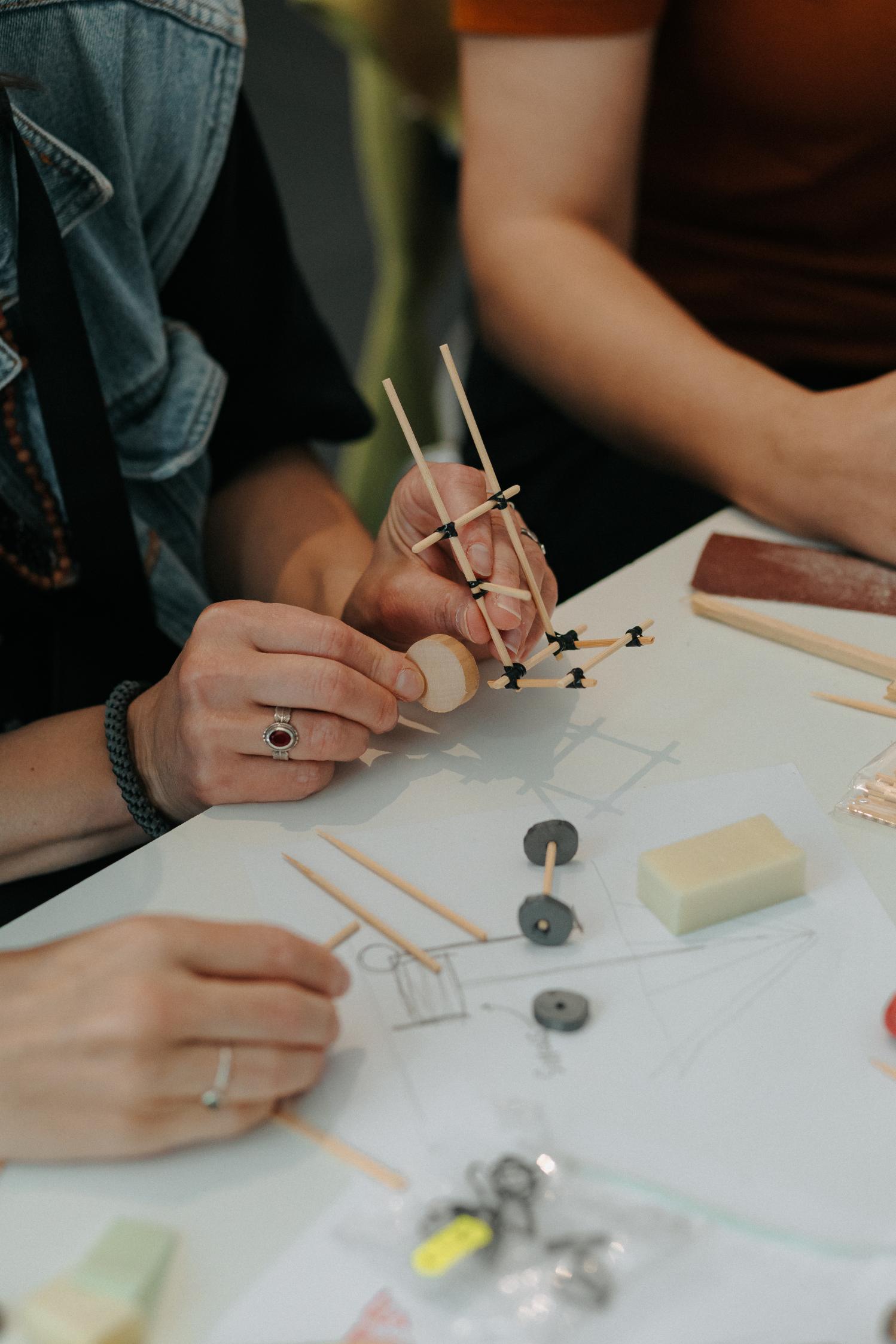


The design phase focused on Piazza Scammacca, identified as an ideal intervention site for the development of a series of prototypes to improve its climatic dimension and consequently its usability. Just a stone's throw from the Abadir DELIDA Library, the venue for the workshop, the square has recently been regenerated and returned to the city as an urban market. A heavily frequented public space, featuring an outdoor dining area exposed to direct heat, impermeable surfaces, and almost no vegetation.
Organised into five thematic groups, male and female students translated the ecological strategies studied during the week into an equal number of scale models. The works were presented in an open, collective session aimed at the local community.


Edited by

Bodies of Water is part of Waterschool South, Abadir's educational programme which mirrors the Waterschool founded in Rotterdam by Studio Makkink & Bey. Centred on the strategic importance of water as a finite resource, Watercool South aims to trigger processes that stimulate cultural, academic and scientific progress for the improvement of the quality of life in Southern Europe and the Mediterranean basin.
Credits
Coordinator and Host Organisation
Abadir Academy
Curator
Giulia Colletti
Partner
ESADA Granada
ESAD Matosinhos
SWPS – School of Form
THWS University of Applied Sciences Würzburg-Schweinfurt
Educational tutors
Sara Bailén Martínez
Claudia Frey
Makoto Fukuda
Marcus Kaiser
Margaret Malinowska
Aleksandra Litorowicz
Lorena Ruiz Lopez
Guests
Alba Balmaseda
Simona Battagliola
Nicola Vitale
LANDESCAPE (Leonardo Ruvolo with Nicola Baratto)
QANAT (Francesca Masoero)
Studio Makkink & Bey (Rianne Makkink and Jurgen Bey)
Nicola Vitale
Photo credits
Domenico Lanaia
Erasmus Coordinator and Director of Abadir
Lucia Giuliano
Erasmus International Office
Federica Salvato
Communication
Alessia Amenta
Lucia Calà
Ewelina Kolendowicz-Ossowska
Funded by
Erasmus Plus Programme – Higher Education Sector – KA131 – 2024 Call – Project No. 2024-1-IT02-KA131-HED-
